

Is "ultralight" ultra-lame?
"Brothers, this is deranged content." -YouTube Commenter
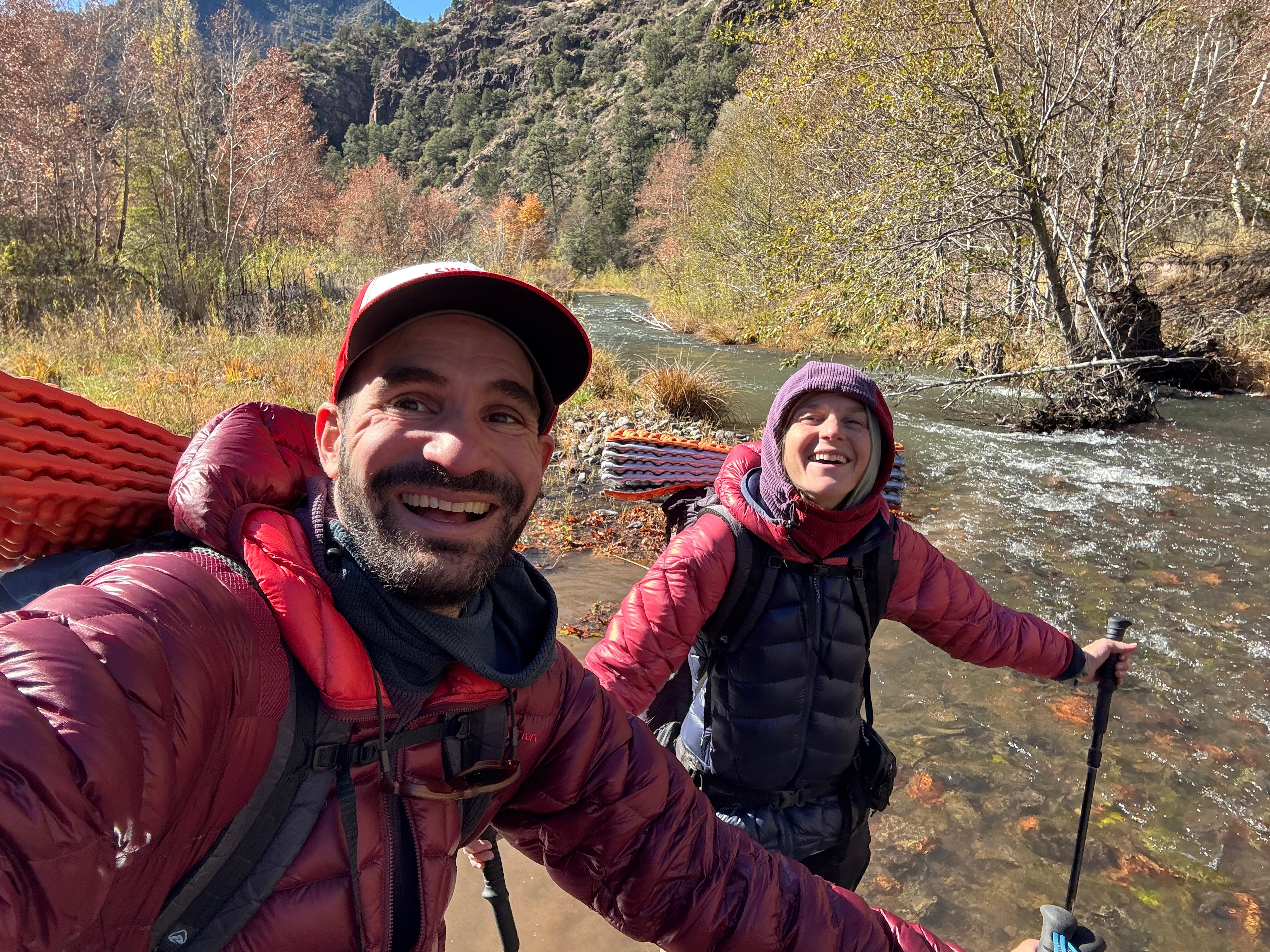
We’ve been getting ripped apart lately for our approach to ultralight backpacking. Over the last two months we’ve been helping our friend Luca transition from day hiking and car camping to backpacking. Along the way, we’ve posted videos about reducing the weight of his shoes, clothing, and gear. Responses have ranged from “It was at this point that I knew these two have no idea what they’re talking about” to “Brothers, this is deranged content.” We disagree, so we wanted to explain how we think about backpacking with a little more nuance than a 60-second video allows.
“It was at that point i knew these two have no idea what they are talking about.” -YouTube Commenter
We were not always the kind of hikers who prioritized weight. Our first long hike on the John Muir Trail had us carrying extra luxuries like a portable espresso maker, several changes of clothes, and even a magnetic scrabble game (that we didn’t play once). A few years later, while prepping for the Pacific Crest Trail, our research taught us that most thruhikers carried way less than we did. If they could hike more than 2,500 miles with so little stuff, maybe we could too.
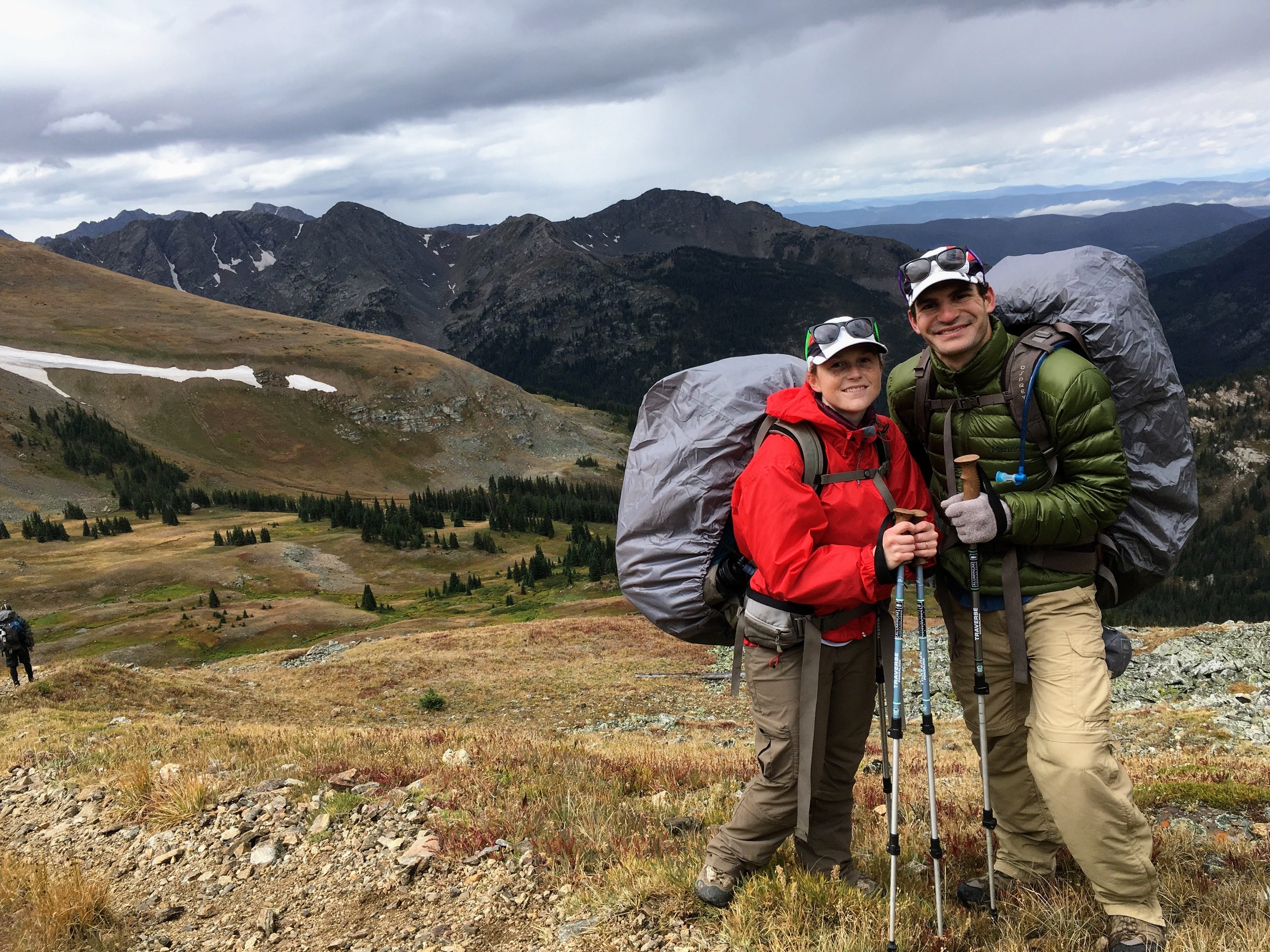
So, we got rid of some things and upgraded others. We brought our “base weights” down to less than 20 lbs each (base weight is the weight of a pack not including food, water, and consumables). We were worried: would it be as much fun to hike without luxuries like games? After starting the trip, we realized that having less stuff actually made our trips much more enjoyable.
A typical day backpacking used to mean several miserable hours struggling under heavy packs, followed by several amazing hours enjoying ourselves at camp. With lighter packs, the whole trip became fun. Our minds stopped fixating on the next time we’d take off our packs. Instead of repeating a mantra like, “just five miles to camp, just five miles to camp…”, we could soak up the landscape and get lost in interesting rabbit holes. With heavy loads, backpacking can feel like enduring the hiking part just to enjoy camp. With lighter packs, the walking itself becomes enjoyable.
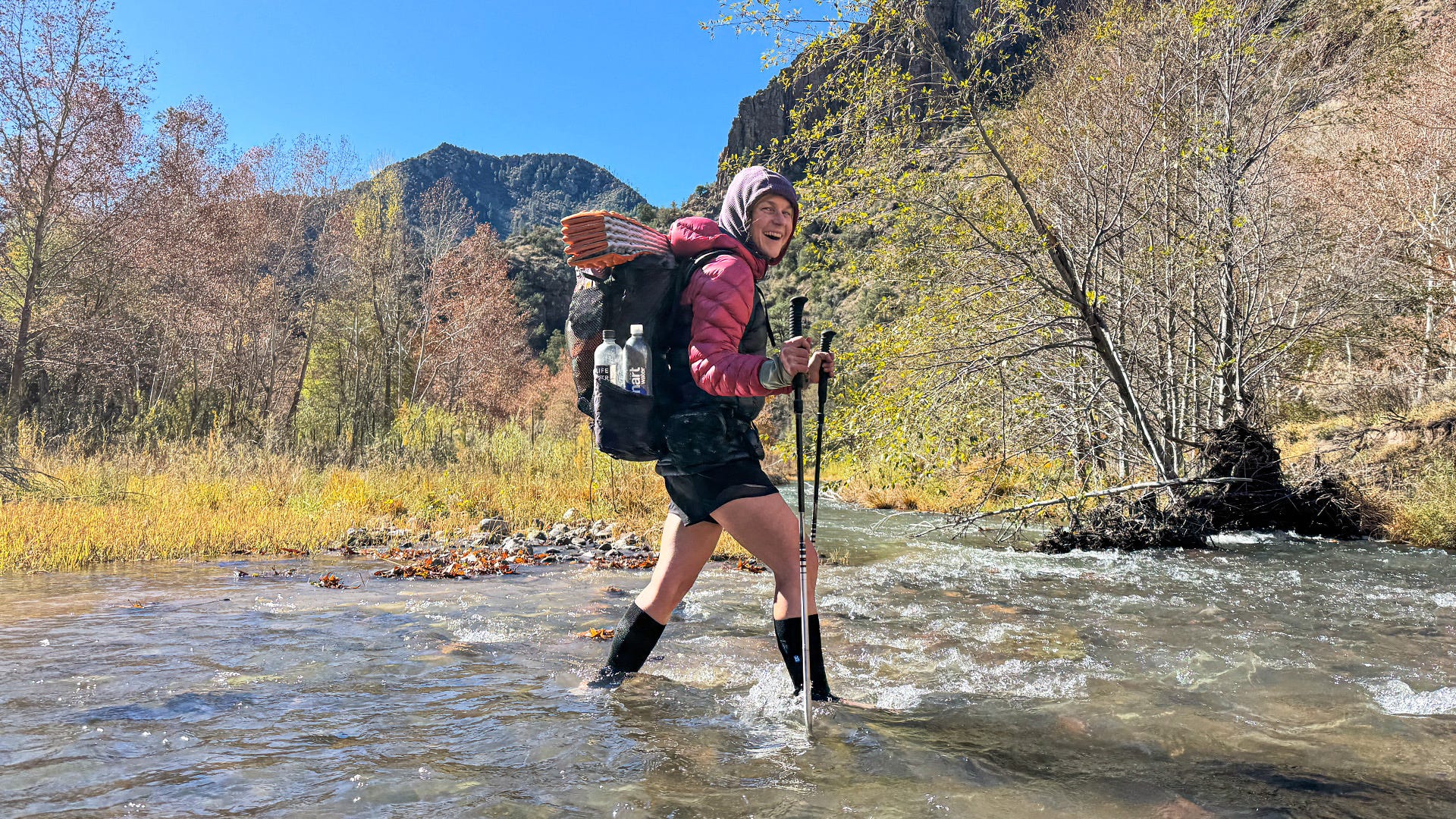
As we moved north on the Pacific Crest Trail, we continuously re-evaluated our gear, looking for items that weren’t worth the weight. We mailed home an extra power bank. We ditched an extra carrying case for our stove. Eventually our base weights were closer to 10 lbs. The trip would take us from summer in the desert to fall in the Pacific Northwest, so we had packed for every kind of weather we expected to encounter. We realized we could use the mail system as part of our gear strategy, shipping seasonal items ahead to where we were more likely to need them.
“Follow these people’s horrible advice and you’re gonna get yourself in shitty situations.” -YouTube Commenter
But what about being prepared? We’ve been called unprepared more times than we can count over the past couple of months. One comment read: “Follow these people's horrible advice and you’re gonna get yourself in shitty situations.” We couldn’t agree more that being prepared for the challenges of a trip is crucial. But preparedness doesn’t translate to a single packing list that applies across all seasons and locations.
Being prepared for the desert can mean 10+ liters of water-carrying capacity. Being prepared for snow means heavy, waterproof layers. And being prepared for snowy mountains means traction: potentially microspikes, crampons, and/or snowshoes, depending on the conditions. But there’s no one rule to follow for all situations. It’s extremely important to pack gear (and backups) that match potential conditions, but at the same time, for a low-elevation summer hike in the desert… don’t bring snowshoes!
Of course, ultralight backpacking can become dogmatic or obsessive like anything else. Saving half an ounce doesn’t matter if you’re miserable or underprepared. When we talk about ultralight backpacking, we aren’t suggesting foregoing gear or taking extra risks in the interest of weight savings. We are pointing out something that we experienced first-hand over thousands of miles including two walks from Mexico to Canada: it is more fun to walk with less weight on your back. How someone achieves that is up to them. But giving weight some thought makes backpacking a whole lot more enjoyable.
- Renee and Tim
I wonder how many times the people saying that have WALKED FROM CANADA TO MEXICO and back? 🤔 Don't listen to the haters. You guys have been a game changer for me.
I have been following you since the beginning and as a veteran of just about every type of foot travel since the early 1970’s I can say that your metamorphosis has been fun to follow. Many times I have said to myself “they finally figured that out.” And many times I have said “maybe that would be something I should try.” Hence I have gone back to some of my own old ways (food storage at night) that many others do not grasp as best practices and ultimately raise my base weight, but I can tell you from personal experience standing at the PCT border fence (no wall,no monument, just a handmade wood sign)in 1980 with a 60lb pack, 7 Days of food, kelty boots that probably weighed 5lbs, heavy wool clothing, a sigg bottle filled to the brim with white gas,heavy Nalgene water bottles, water purification system that was another pound, that now having a much more lighter setup for about 90% of my gear and a base weight around 13 pounds makes the journey much more enjoyable and easier at 65 years old. And I am prepared for just about any extreme or emergency short of carrying an epi pen or snake anti venom which I know some people will carry. It comes down to personal preference or “live and learn.” I am envious of both of you and the journeys you have made. Most people don’t have the ability/time/drive to make that happen. Before you know it time will run out. Cheers,
Bill M